China vs Europe Aluminum Die Casting: Cost, Quality and Lead Time Comparison
Time :2026-06-07 Hits:0
For global buyers in automotive, EV, industrial equipment, and electronics industries, one of the most important sourcing decisions is whether to manufacture aluminum die casting parts in China or Europe.
While Europe is known for engineering precision and strict quality standards, China has become the global manufacturing hub for aluminum die casting due to its cost efficiency, integrated supply chain, and rapid production capability.
This article provides a structured comparison of China vs Europe aluminum die casting from three key perspectives:
Cost structure
Quality capability
Lead time and supply chain efficiency
1. Cost Comparison: Why China Has a Structural Advantage
The most obvious difference between China and Europe is manufacturing cost. However, the reason is not simply “cheap labor,” but a complete industrial system difference.
1.1 Labor and Production Cost
In Europe, die casting production is affected by:
High labor cost
High energy cost
Strict environmental compliance cost
Higher factory overhead
In China, manufacturers benefit from:
Large-scale industrial clusters
Optimized supply chain integration
Lower operational overhead
Mature subcontracting ecosystem
As a result, total production cost in China is typically 30%–50% lower than Europe, especially for medium and high-volume production.
1.2 Tooling (Mold) Cost Difference
Tooling is a major cost component in aluminum die casting projects.
Europe: higher tooling cost due to labor and machining expenses
China: lower tooling cost due to integrated mold manufacturing ecosystem
However, it is important to note:
Lower cost in China does not mean lower quality—many Chinese mold makers use the same steel grades and CNC equipment as European suppliers.
The difference is mainly driven by engineering efficiency and cost structure, not capability limitations.
2. Quality Comparison: Precision vs System Control
A common misconception is that European suppliers always deliver higher quality than Chinese suppliers. In reality, the difference lies in quality system maturity and process control depth, not manufacturing capability alone.
2.1 Europe: Strong Standards, High Consistency
European die casting suppliers typically excel in:
Strict process documentation
Stable production control
High engineering standards
Strong automotive compliance culture (IATF-driven systems)
This makes Europe strong in:
Small batch high-precision production
Highly regulated industries
Long-established OEM supply chains
2.2 China: Rapid Improvement and Engineering Flexibility
Modern Chinese die casting manufacturers, especially those serving automotive and EV sectors, have significantly improved in:
IATF 16949-certified production systems
CNC precision machining capability
X-ray and CMM inspection systems
Process automation and yield control
In many cases, Chinese factories now match or exceed European capabilities in:
Large-scale production stability
Engineering iteration speed
Process optimization flexibility
2.3 Key Difference in Quality Philosophy
| Region | Strength | Limitation |
|---|---|---|
| Europe | Process stability and strict documentation | Higher cost and slower iteration |
| China | Engineering flexibility and fast improvement | Supplier capability varies widely |
This means the real risk is not geography, but supplier selection quality.
3. Lead Time Comparison: Speed vs Stability
Lead time is another major factor influencing sourcing decisions.
3.1 Europe Lead Time Characteristics
European die casting suppliers typically have:
Stable but longer production cycles
Higher queue time for tooling and production slots
More rigid scheduling systems
Typical lead times:
Tooling: 6–12 weeks or longer
Mass production: slower ramp-up
3.2 China Lead Time Advantages
Chinese suppliers benefit from:
Integrated supply chain (mold + casting + machining in one factory)
Faster engineering iteration cycles
Flexible production scheduling
High mold manufacturing capacity
Typical lead times:
Tooling: 3–7 weeks (depending on complexity)
Prototype development: very fast iteration
Mass production ramp-up: faster scaling
3.3 Why China Is Faster in Real Projects
The main reason is system integration:
In China, a single factory often handles:
Mold design
Tool manufacturing
Die casting production
CNC machining
Surface finishing
This reduces communication delays and external coordination, significantly improving project speed.
4. Engineering Flexibility: One of China’s Strongest Advantages
One often overlooked advantage of Chinese die casting suppliers is engineering adaptability.
In real industrial projects, design changes are common during early development stages.
Chinese suppliers are typically more flexible in:
Design for Manufacturing (DFM) optimization
Rapid mold modification
Prototype iteration
Cost-down engineering improvements
This is especially valuable in:
EV battery housing development
Automotive lightweight structure design
Industrial product prototyping
5. Risk Considerations: Not All Suppliers Are Equal
While China offers cost and speed advantages, supplier selection is critical.
Potential risks include:
Quality inconsistency between suppliers
Varying engineering capability levels
Differences in quality system maturity
Communication and documentation gaps
Therefore, global buyers should focus on:
ISO 9001 / IATF 16949 certification
In-house tooling capability
Engineering team strength
Export experience
Process control systems (CMM, X-ray, etc.)
6. Shenzhen Jinyuanfu Manufacturing Capability
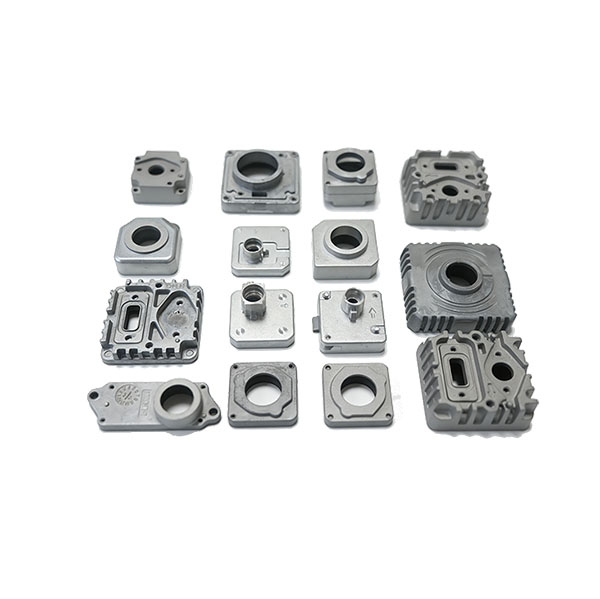
Shenzhen Jinyuanfu Metal Products Co., Ltd., established in 2003, is a professional manufacturer specializing in:
Aluminum die casting
Zinc die casting
Magnesium alloy die casting
Mold design and manufacturing
CNC precision machining
Factory overview:
10,000+ square meters production facility
200+ employees
30+ engineering and technical staff
Full in-house production chain
Certifications:
ISO 9001 Quality Management System
IATF 16949 Automotive Quality System
ISO 14001 Environmental Management System
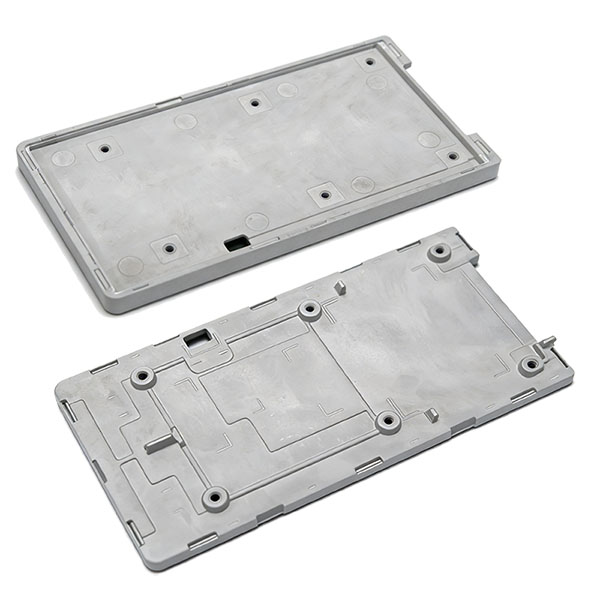
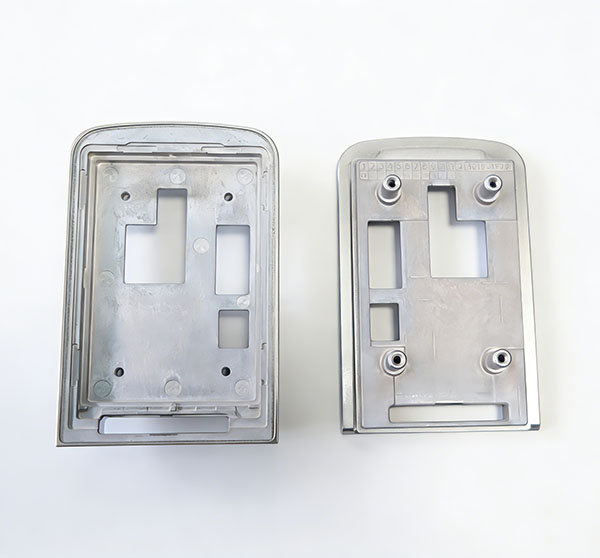
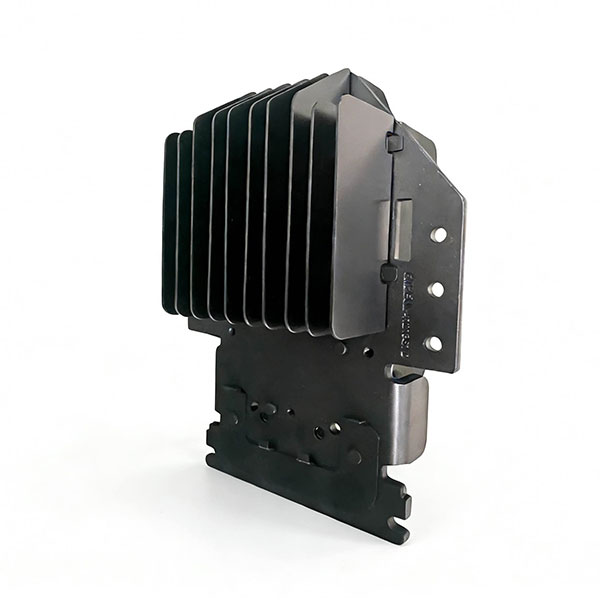
We specialize in high-precision and complex die casting solutions, including:
Transmission components
EV battery housings
High flatness structural parts
Sealing and pressure-tight components
Our engineering team focuses on DFM optimization, cost reduction, and long-term production stability for global customers.
7. Conclusion: China vs Europe Is Not a Simple Choice
The comparison between China and Europe in aluminum die casting is not about “better or worse,” but about different industrial strengths.
Europe excels in process stability and engineering tradition
China excels in cost efficiency, scalability, and manufacturing speed
For global buyers, the optimal strategy is often:
Use engineering-driven suppliers in China for scalable production, and leverage European standards for specification benchmarking.
The key is not location—it is supplier capability.
PREV:EV Battery Housing Manufacturing: Why Aluminum Die Casting Is the Best Solution
NEXT:Aluminum Die Casting Defects: Porosity, Shrinkage and How to Prevent Them
Related News
- How to Choose a Reliable Aluminum Die Casting Supplier in China
- Aluminum Die Casting Defects: Porosity, Shrinkage and How to Prevent Them
- China vs Europe Aluminum Die Casting: Cost, Quality and Lead Time Comparison
- EV Battery Housing Manufacturing: Why Aluminum Die Casting Is the Best Solution
- Aluminum Die Casting Cost Breakdown: What You Are Really Paying For
- How to Choose the Right Aluminum Die Casting Supplier: A Practical Guide for Engineering and Procurement Teams
- Minimum Order Quantity (MOQ) in China Aluminum Casting: What Buyers Need to Know Before Requesting a Quote
- German Aluminum Die Casting Supplier Alternative: High-Quality China Manufacturing Solutions from Shenzhen Jinyuanfu