How to Choose the Right Aluminum Die Casting Supplier: A Practical Guide for Engineering and Procurement Teams
Time :2026-06-07 Hits:1001
For companies in automotive, electric vehicles, industrial equipment, and electronics manufacturing, selecting the right aluminum die casting supplier is not only a purchasing decision—it directly affects product quality, tooling cost, development speed, and long-term supply chain stability.
In practice, many sourcing teams start with price comparison. However, experienced procurement engineers know that the lowest quotation rarely leads to the lowest total cost. A qualified supplier should be evaluated based on engineering capability, quality systems, production stability, and project management experience.
Below are the most important factors to consider when choosing an aluminum die casting manufacturer in China or globally.
1. Integrated Manufacturing Capability Matters More Than Price
One of the most critical differences between suppliers is whether they offer integrated manufacturing or only partial processing.
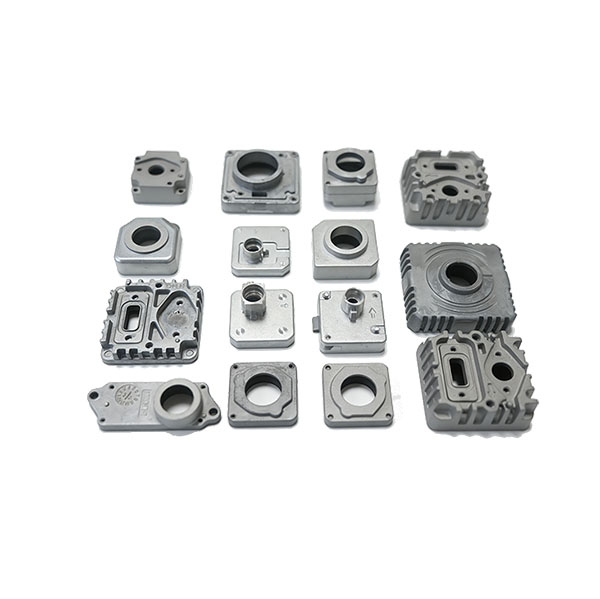
A capable aluminum die casting supplier should ideally provide a complete production chain, including:
Mold design and tooling manufacturing
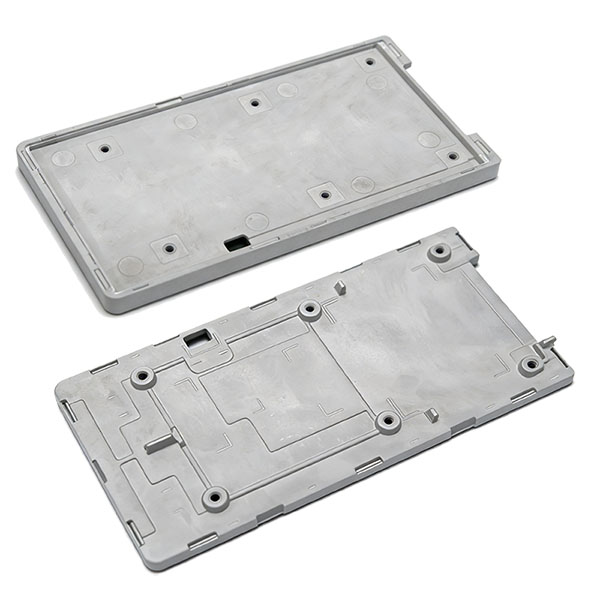
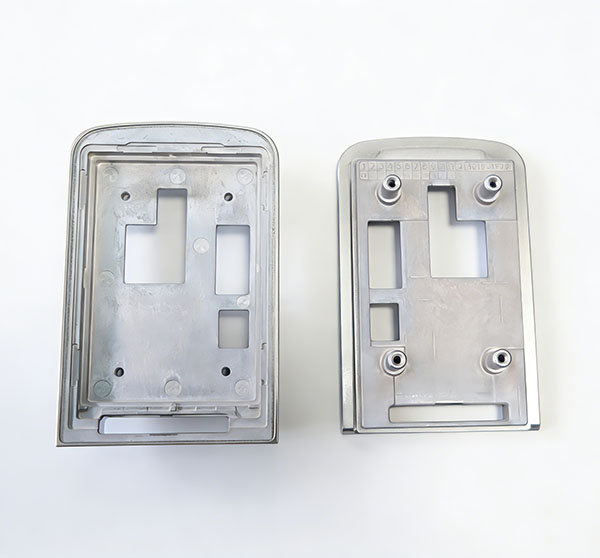
Aluminum die casting production
Zinc die casting (if required)
CNC machining
Surface finishing (anodizing, powder coating, etc.)
Assembly and inspection
When these processes are managed internally, communication becomes more efficient, quality control is more stable, and lead times are significantly reduced.
Outsourcing multiple processes to different subcontractors may reduce internal investment, but it often increases project risk and delays.
2. Quality Management System and Certifications
For international buyers, especially in Europe and North America, quality certification is a key supplier selection criterion.
The most commonly required certifications include:
ISO 9001 Quality Management System
IATF 16949 Automotive Quality Management System
ISO 14001 Environmental Management System
Among them, IATF 16949 is particularly important for automotive projects, as it requires strict process control, traceability, risk management, and continuous improvement systems.
While certifications alone do not guarantee product quality, they are a strong indicator of whether a manufacturer operates under standardized and controlled processes.
3. Engineering and DFM Support Capability
A strong aluminum die casting supplier should not only manufacture parts but also support product optimization.
During the early development stage, Design for Manufacturing (DFM) analysis plays a critical role in reducing cost and improving production stability.
Typical engineering improvements include:
Optimizing wall thickness distribution
Reducing unnecessary undercuts and side actions
Improving draft angles for easier demolding
Simplifying machining requirements
Enhancing casting flow and reducing porosity risk
In many real projects, proper DFM optimization can significantly reduce tooling cost and improve yield rate, which has a greater impact than negotiating unit price alone.
4. Industry Experience and Application Knowledge
Different industries place very different demands on aluminum die cast components.
For example:
Automotive components require high dimensional stability and long-term durability
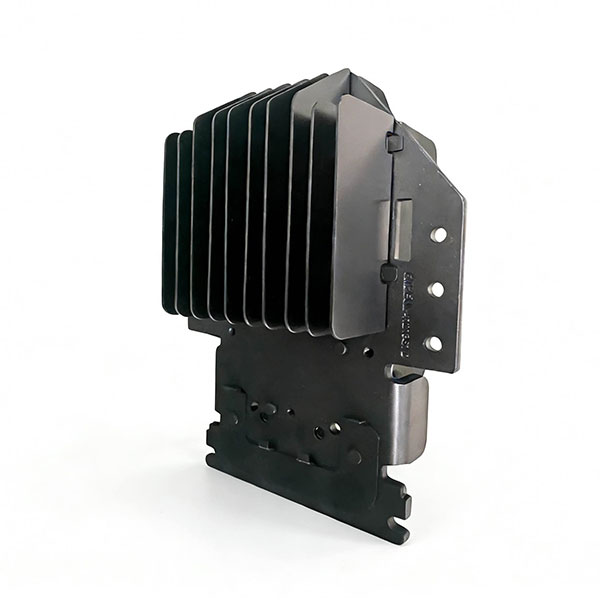
EV battery systems require lightweight structures and thermal management performance
Industrial equipment requires mechanical strength and long service life
A supplier with relevant industry experience is more likely to understand critical performance requirements and avoid design or manufacturing risks during development.
Therefore, reviewing past project experience in your target industry is essential when evaluating suppliers.
5. Production Equipment and Technical Capability
Equipment capability determines the supplier’s production range and quality consistency.
Key equipment to evaluate includes:
High-pressure die casting machines (various tonnage levels)
CNC machining centers
Coordinate Measuring Machines (CMM)
X-ray inspection systems for internal defect detection
Spectrometers for material composition analysis
Hardness and tensile testing equipment
Advanced inspection systems are particularly important for export-oriented projects where strict quality documentation is required.
A well-equipped supplier can better ensure process stability and reduce variation between production batches.
6. Experience in International Markets
For global buyers, manufacturing capability alone is not enough.
Suppliers with export experience are typically more familiar with:
PPAP (Production Part Approval Process)
First Article Inspection (FAI) requirements
Technical documentation standards
Packaging and labeling requirements for export
Logistics coordination (FOB, CIF, DDP terms)
This experience significantly reduces communication errors and improves overall project efficiency, especially for European and North American customers.
7. Long-Term Stability and Supply Reliability
Die casting projects are typically long-term programs. Once tooling is developed, production may continue for several years.
Therefore, supplier stability is a critical evaluation factor.
Key indicators include:
Years of operation
Factory size and workforce
Equipment investment history
Customer base diversity
Engineering team stability
A stable supplier reduces the risk of supply chain disruption and ensures long-term continuity of parts supply.
8. Price vs. Total Cost of Ownership (TCO)
While price is always an important factor, it should not be evaluated in isolation.
In aluminum die casting projects, the lowest unit price may come with hidden costs such as:
Higher defect rates
Shorter mold life
Increased rework or scrap
Communication delays
Unstable delivery performance
Experienced procurement teams focus on Total Cost of Ownership (TCO), which includes tooling cost, production efficiency, quality stability, logistics cost, and long-term maintenance risk.
A slightly higher unit price from a reliable supplier often results in significantly lower overall project cost.
Conclusion
Choosing an aluminum die casting supplier is fundamentally about selecting a long-term engineering partner rather than a short-term vendor.
A qualified supplier should demonstrate strong manufacturing capability, structured quality systems, engineering support ability, and proven experience in relevant industries.
Shenzhen Jinyuanfu, founded in 2003, operates a 10,000-square-meter manufacturing facility with over 200 employees, specializing in aluminum die casting, zinc die casting, mold manufacturing, and CNC machining services. The company is certified with ISO 9001, IATF 16949, and ISO 14001 management systems.
For procurement teams, a structured supplier evaluation process focused on engineering capability and lifecycle cost is far more effective than simple price comparison.
Related News
- How to Choose a Reliable Aluminum Die Casting Supplier in China
- Aluminum Die Casting Defects: Porosity, Shrinkage and How to Prevent Them
- China vs Europe Aluminum Die Casting: Cost, Quality and Lead Time Comparison
- EV Battery Housing Manufacturing: Why Aluminum Die Casting Is the Best Solution
- Aluminum Die Casting Cost Breakdown: What You Are Really Paying For
- How to Choose the Right Aluminum Die Casting Supplier: A Practical Guide for Engineering and Procurement Teams
- Minimum Order Quantity (MOQ) in China Aluminum Casting: What Buyers Need to Know Before Requesting a Quote
- German Aluminum Die Casting Supplier Alternative: High-Quality China Manufacturing Solutions from Shenzhen Jinyuanfu