JYF Precision Die Casting for Robotics: Lightweight Aluminum & Magnesium Alloy Components
Time :2026-06-07 Hits:0
As robotics technology advances rapidly, manufacturers are under increasing pressure to develop robots that are lighter, faster, stronger, and more energy-efficient. Whether it's humanoid robots, collaborative robots (cobots), autonomous mobile robots (AMRs), AGVs, exoskeletons, or industrial robotic arms, lightweight structural components have become a critical factor in improving overall performance.
JYF specializes in aluminum and magnesium alloy die casting for robotics, providing high-precision, lightweight, and cost-effective components for robot manufacturers worldwide.
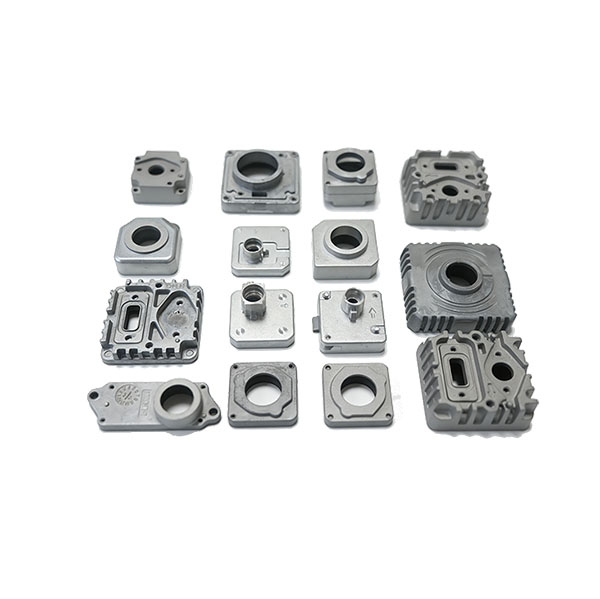
From robot joint housings and motor brackets to reducer bases and controller enclosures, JYF delivers complete manufacturing solutions covering design optimization, mold development, die casting, CNC machining, surface finishing, and quality control.
Our goal is simple: help robotics companies build machines that move faster, consume less energy, and last longer.
Why Lightweight Materials Matter in Robotics
Robots must achieve two seemingly contradictory goals:
Lightweight construction for faster movement and lower energy consumption
High structural strength for durability and precision
Traditional steel components provide strength but add excessive weight. Plastic parts reduce weight but often lack durability for demanding applications.
Aluminum and magnesium alloys offer the ideal balance.
By replacing traditional materials with advanced die-cast aluminum and magnesium components, robot manufacturers can:
Increase movement speed
Improve payload capacity
Reduce motor load
Extend battery life
Improve motion accuracy
Enhance overall system reliability
This is why lightweight metal die casting has become one of the most important manufacturing technologies in modern robotics.
Why Choose JYF for Robot Components?
JYF has extensive experience manufacturing complex structural parts for robotics and automation industries.
JYF Core Capabilities
Magnesium alloy die casting
Vacuum die casting technology
Precision CNC machining
Mold design and manufacturing
Surface treatment and finishing
Rapid prototyping
High-volume production
Robotics Applications We Serve
JYF manufactures components for:
Humanoid robots
Collaborative robots (Cobots)
Industrial robotic arms
Autonomous Mobile Robots (AMRs)
Automated Guided Vehicles (AGVs)
Medical robots
Service robots
Exoskeleton systems
AI-powered robotic equipment
Aluminum Alloy Die Casting for Robotics
The Ideal Balance Between Strength and Cost
Aluminum alloy remains the most widely used material for robotic structural components due to its combination of strength, corrosion resistance, manufacturability, and affordability.
Typical aluminum die-cast robot components include:
Robot joint housings
Motor mounting brackets
Reducer housings
Structural support frames
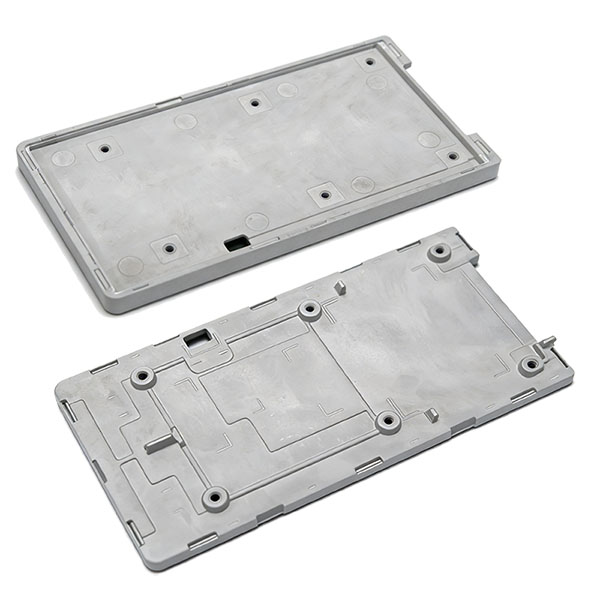
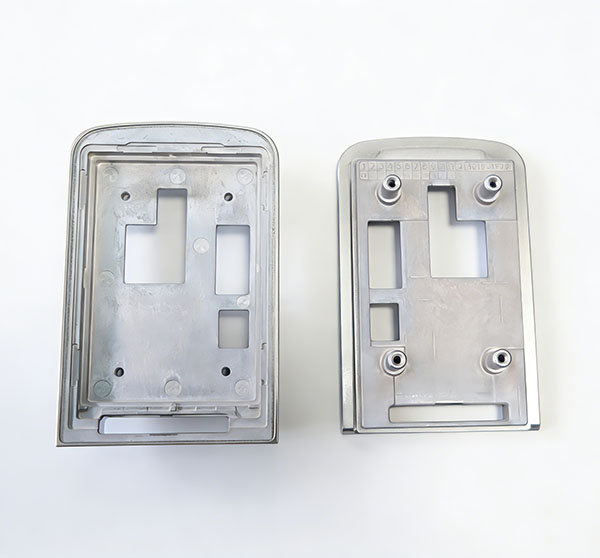
Controller enclosures
AGV drive wheel supports
Lightweight Yet Strong
JYF's aluminum alloy die castings offer:
Up to 60% lower weight than cast iron
Up to 70% lower weight than steel
Tensile strength up to 280 MPa
This enables robots to achieve faster acceleration and lower energy consumption without compromising structural integrity.
Thin-Wall Die Casting Expertise
JYF supports wall thicknesses ranging from:
0.8 mm to 3 mm
Complex features can be integrated directly into the casting, including:
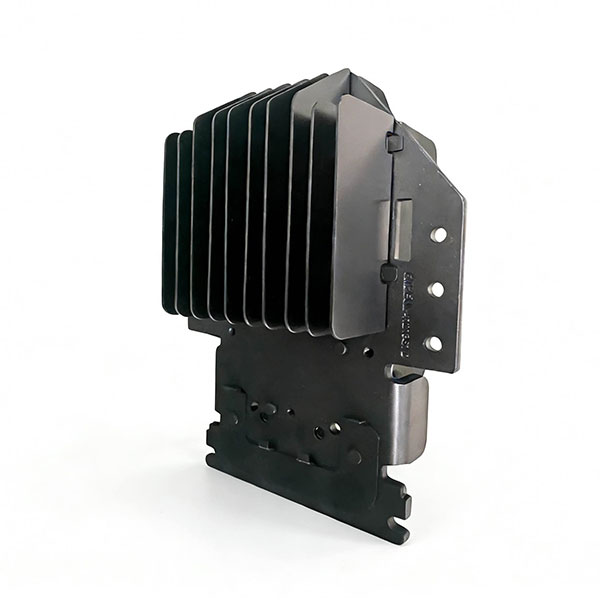
Cooling fins
Mounting bosses
Positioning pins
Threaded inserts
Structural ribs
By reducing the need for extensive machining, manufacturers can lower costs and shorten production cycles.
Reduced Manufacturing Costs
Compared with fully CNC-machined aluminum components, JYF die-cast parts can reduce production costs by up to 30% while maintaining excellent consistency and repeatability for large-volume manufacturing.
Vacuum Die Casting Technology for Superior Quality
In robotic applications, internal porosity can negatively affect strength, sealing performance, and long-term reliability.
To address this challenge, JYF utilizes advanced vacuum-assisted die casting technology.
Key Benefits
Porosity as low as 0.3%
Higher mechanical strength
Improved fatigue resistance
Better dimensional stability
Enhanced air-tightness
For robot joint housings and electronic enclosures, this technology helps achieve reliable:
IP67 waterproof protection
Dustproof performance
Outdoor environmental resistance
Robots operating in factories, warehouses, coastal areas, and dusty environments benefit significantly from these improvements.
Magnesium Alloy Die Casting: The Ultimate Lightweight Solution
When Every Gram Matters
For advanced robotic systems where weight reduction is critical, magnesium alloy provides a significant advantage.
Compared with aluminum alloy:
Approximately 30% lighter
Higher specific strength
Better vibration damping
Excellent machinability
This makes magnesium alloy particularly suitable for:
Humanoid robots
Collaborative robots
Wearable robotics
Exoskeletons
Drone-related robotic systems
JYF Magnesium Die Casting Capabilities
JYF has developed advanced manufacturing processes capable of producing highly complex magnesium alloy components.
Ultra-Thin Wall Structures
Production capabilities include:
Wall thickness down to 0.5 mm
Fin heights up to 8 mm
Fin spacing as small as 1.5 mm
Complex geometries can be manufactured in a single casting process, reducing assembly requirements and improving reliability.
Enhanced Thermal Management
Heat dissipation is increasingly important for robotic control systems.
JYF magnesium alloy controller housings offer thermal conductivity of approximately:
72 W/(m·K)
Benefits include:
Lower operating temperatures
Improved electronic reliability
Reduced cooling requirements
Smaller enclosure designs
In many applications, electronic component temperatures can be reduced by up to 8°C.
Engineering Support from Design to Production
Successful robot components begin with intelligent engineering.
JYF works closely with customers during product development to optimize both design and manufacturability.
Design for Manufacturing (DFM)
Our engineers evaluate:
Structural strength
Wall thickness distribution
Weight reduction opportunities
Casting feasibility
Assembly efficiency
This helps eliminate costly redesigns later in the project.
Mold Flow Analysis
Before tooling production begins, JYF performs detailed simulations to evaluate:
Metal flow behavior
Air entrapment
Porosity risks
Cooling performance
These analyses improve casting quality and reduce development time.
Rapid Tooling Solutions
With standardized mold base systems available in-house, JYF can significantly shorten lead times.
Benefits include:
Faster prototype development
Lower tooling costs
Rapid design modifications
Accelerated product validation
Prototype samples can often be delivered within 48 hours.
Complete Manufacturing Under One Roof
Unlike suppliers that outsource critical processes, JYF manages the entire manufacturing workflow internally.
Die Casting
Aluminum alloy die casting
Magnesium alloy die casting
Vacuum-assisted casting
CNC Machining
Milling
Drilling
Tapping
Precision finishing
Surface Treatment
Sandblasting
Anodizing
Nickel plating
Powder coating
Laser marking
Quality Control
JYF utilizes real-time process monitoring for:
Metal temperature
Mold temperature
Injection speed
Process consistency
Manufacturing records are digitally stored and traceable for up to five years.
Real-World Robotics Applications
Humanoid Robot Finger Joints
Material: Magnesium Alloy
Features:
0.6 mm thin-wall structure
Complex curved geometry
One-piece die casting
Advantages:
Lighter than aluminum
Stronger than plastic
Improved impact resistance
Collaborative Robot Joint Housing
Material: Magnesium Alloy
Specifications:
1.2 mm wall thickness
Weight approximately 180 g
Results:
Reduced overall robot weight
Faster motion response
Lower motor energy consumption
AGV Drive Wheel Brackets
Material: Aluminum Alloy
Specifications:
2 mm wall thickness
Load capacity up to 500 kg
Results:
Approximately 3 kg lighter than steel alternatives
Extended battery range
Improved operational efficiency
Exoskeleton Structural Supports
Material: Hybrid Aluminum-Magnesium Design
Approach:
Aluminum for primary load-bearing sections
Magnesium for secondary structural components
Results:
Up to 40% overall weight reduction
Improved user comfort
Better wearability
Why Global Robotics Companies Choose JYF
Lightweight Design Expertise
JYF helps manufacturers reduce robot weight without sacrificing strength or durability.
Consistent Precision
Critical surfaces can achieve flatness tolerances as low as 0.1 mm, ensuring smooth assembly and reliable operation.
Reliable Product Quality
Vacuum die casting technology minimizes porosity and improves structural performance.
Fast Delivery
Rapid tooling and integrated manufacturing enable shorter lead times for both prototypes and production orders.
Cost Efficiency
With material utilization rates reaching 92% and defect rates around 1%, JYF helps customers lower overall manufacturing costs by 20–30% compared with conventional machining methods.
Frequently Asked Questions
Which material is better for robot parts: aluminum or magnesium?
Aluminum alloy offers an excellent balance of strength, durability, and cost, making it ideal for most robotic structural components.
Magnesium alloy is preferred when maximum weight reduction and dynamic performance are the primary objectives.
Can die-cast robot parts achieve high precision?
Yes. Through optimized tooling, controlled die casting processes, and precision CNC machining, JYF produces robot components with excellent dimensional accuracy and repeatability.
Is magnesium alloy suitable for industrial robotics?
Absolutely. Modern magnesium alloys are widely used in aerospace, automotive, electronics, and advanced robotics due to their strength-to-weight advantages and excellent machinability.
Does JYF provide custom robot parts manufacturing?
Yes. JYF offers fully customized manufacturing solutions based on customer drawings, prototypes, and application requirements.
Partner with JYF for High-Performance Robot Components
As robotics continues to evolve toward lighter, smarter, and more efficient systems, aluminum and magnesium alloy die casting has become a key enabling technology.
JYF combines advanced die casting expertise, engineering support, precision machining, and rigorous quality control to help robotics manufacturers accelerate development and reduce production costs.
Whether you are developing humanoid robots, collaborative robots, AGVs, AMRs, exoskeletons, or next-generation automation equipment, JYF provides reliable, lightweight, and high-performance component solutions tailored to your needs.
Contact JYF today to discuss your robotics project and discover how our aluminum and magnesium alloy die casting expertise can help bring your next-generation robotic products to market faster.
Related News
- Aluminum Die Casting Cost Breakdown: What You Are Really Paying For
- How to Choose the Right Aluminum Die Casting Supplier: A Practical Guide for Engineering and Procurement Teams
- Minimum Order Quantity (MOQ) in China Aluminum Casting: What Buyers Need to Know Before Requesting a Quote
- German Aluminum Die Casting Supplier Alternative: High-Quality China Manufacturing Solutions from Shenzhen Jinyuanfu
- Complete Guide to Sourcing CNC Machined Aluminum Castings from China in 2026
- From 5G Base Stations to Smartphones: How JYF Aluminum Die Casting Powers Communication Heat Sink Housings
- JYF Precision Die Casting for Robotics: Lightweight Aluminum & Magnesium Alloy Components
- Top 10 Zinc Alloy Die Casting Manufacturers in China (2026 Industry Guide)